
7 Benefits of Drinking Green Tea
Do you ever feel that your daily routine needs something steady rather than stimulating?
Something you can return to every day without thinking too much about it?
For many people around the world, green tea plays that role. It is not consumed for instant results or dramatic promises. It is chosen because it fits easily into everyday life. When you drink green tea regularly, you support your body in quiet, consistent ways that add up over time.
This article explains the benefits of green tea, backed by research, practical habits, and everyday relevance, especially for modern, busy lifestyles.
Why Green Tea Fits Everyday Life
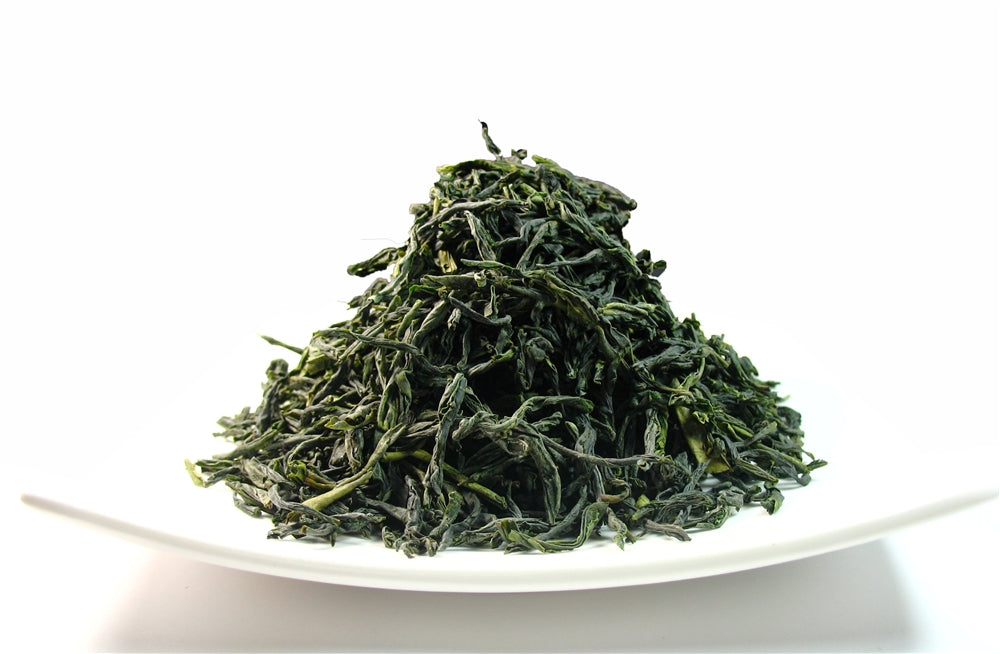
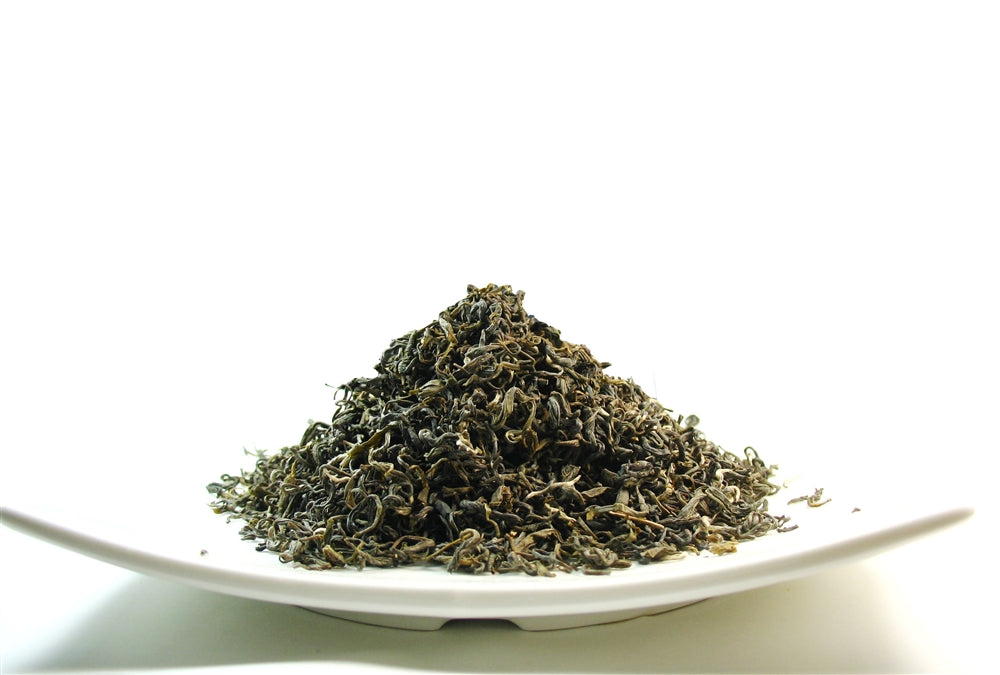
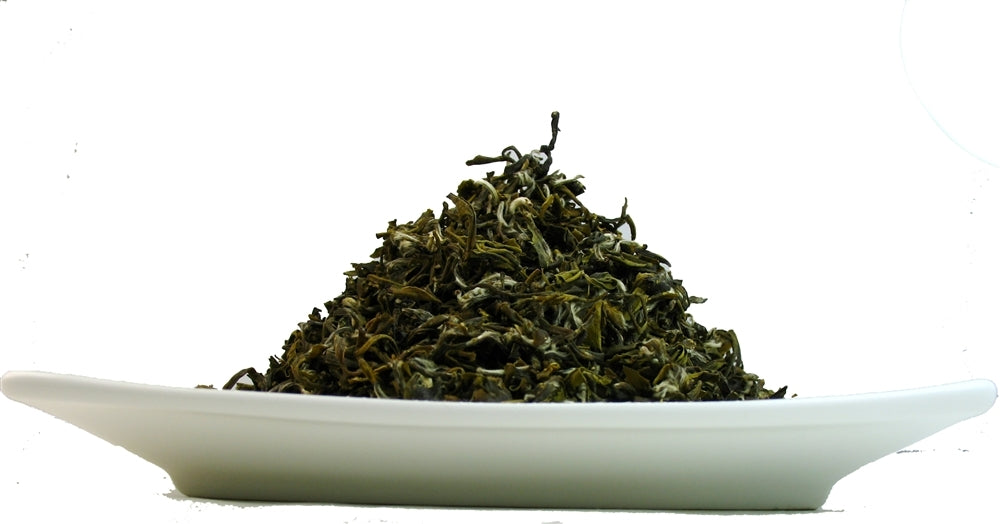
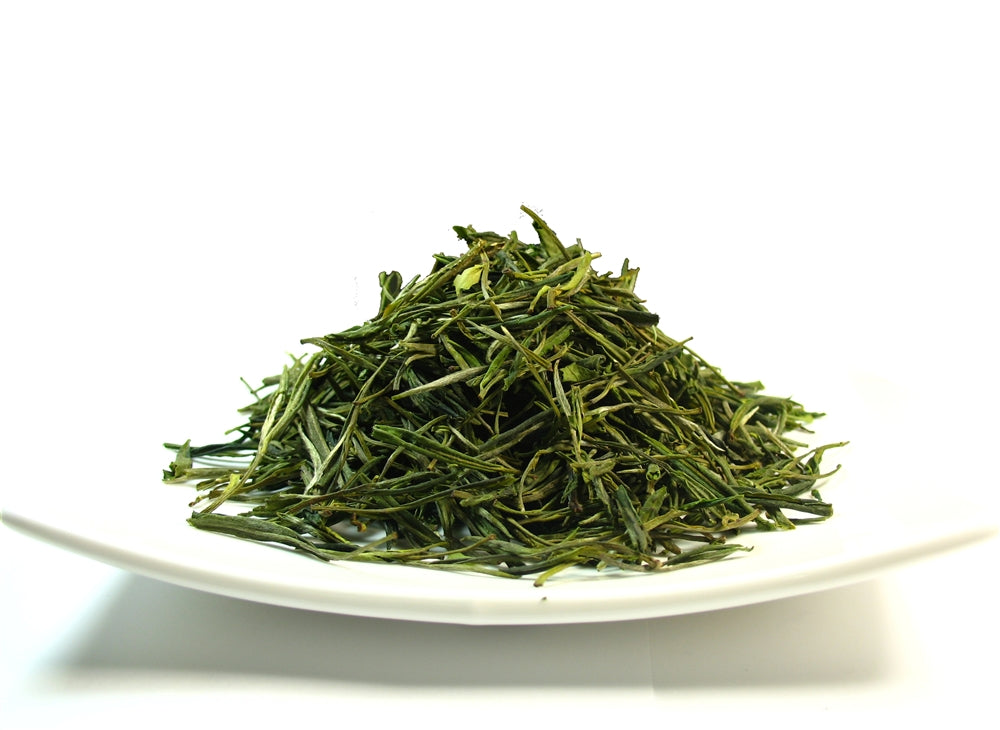
Green tea comes from the Camellia sinensis plant and is processed gently to preserve its natural compounds. Because it undergoes minimal oxidation, it retains antioxidants, amino acids, and polyphenols that support overall wellness.
Unlike sugary beverages or overly stimulating drinks, green tea offers clarity without excess. That is one reason it continues to be consumed across cultures and age groups.
1. Supports Antioxidant Balance
One of the most studied benefits of green tea is its antioxidant content. Green tea contains catechins, including EGCG, which help neutralise free radicals produced by stress, pollution, and normal metabolic activity.
A review published in the Journal of Nutritional Biochemistry shows that regular green tea consumption improves antioxidant markers in the body.
Practical tip
-
Brew green tea with water below boiling
-
Steep lightly to protect delicate compounds
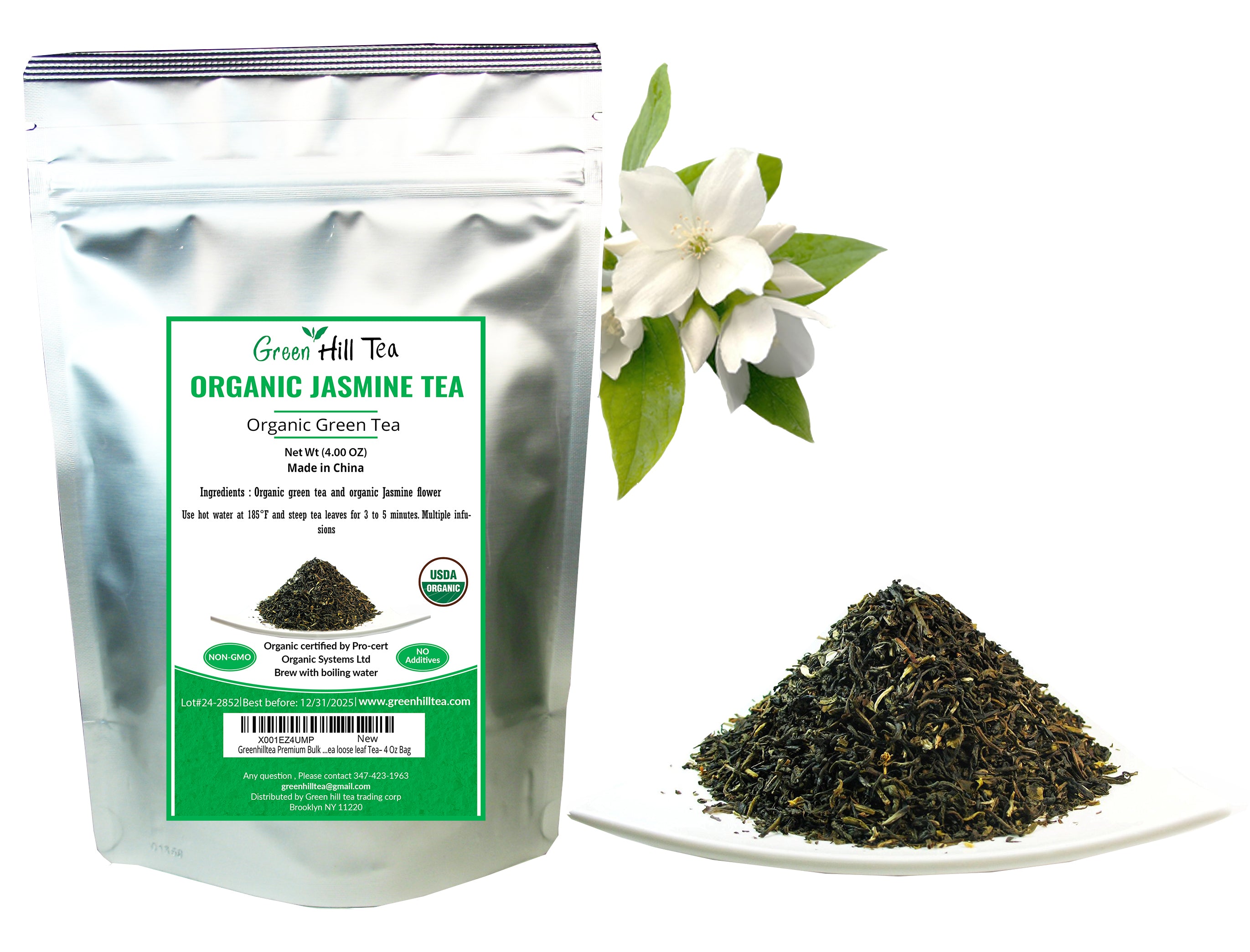
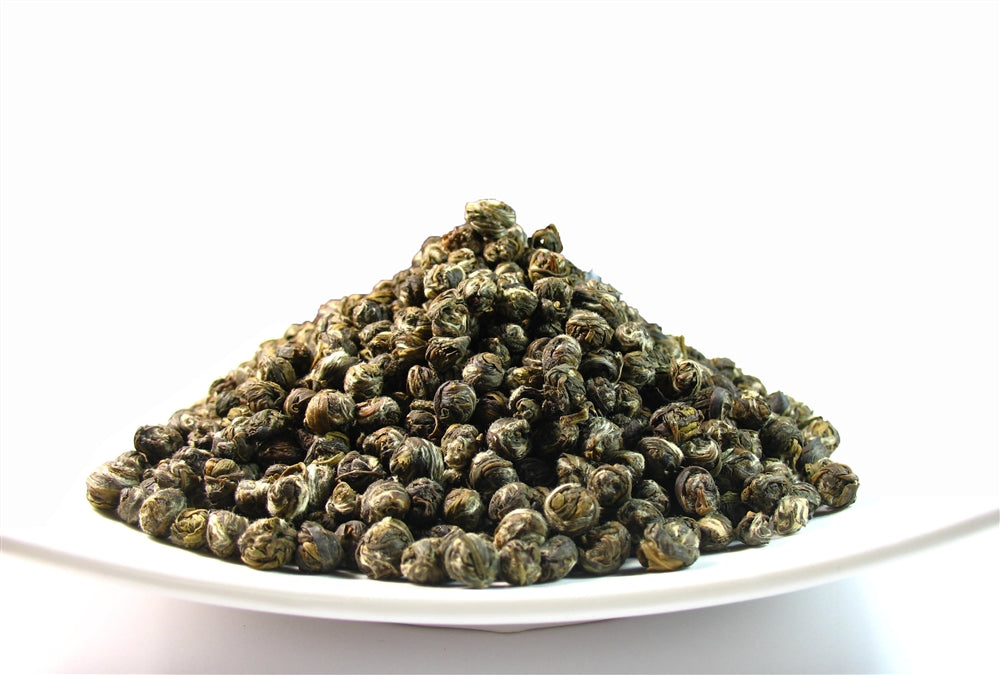
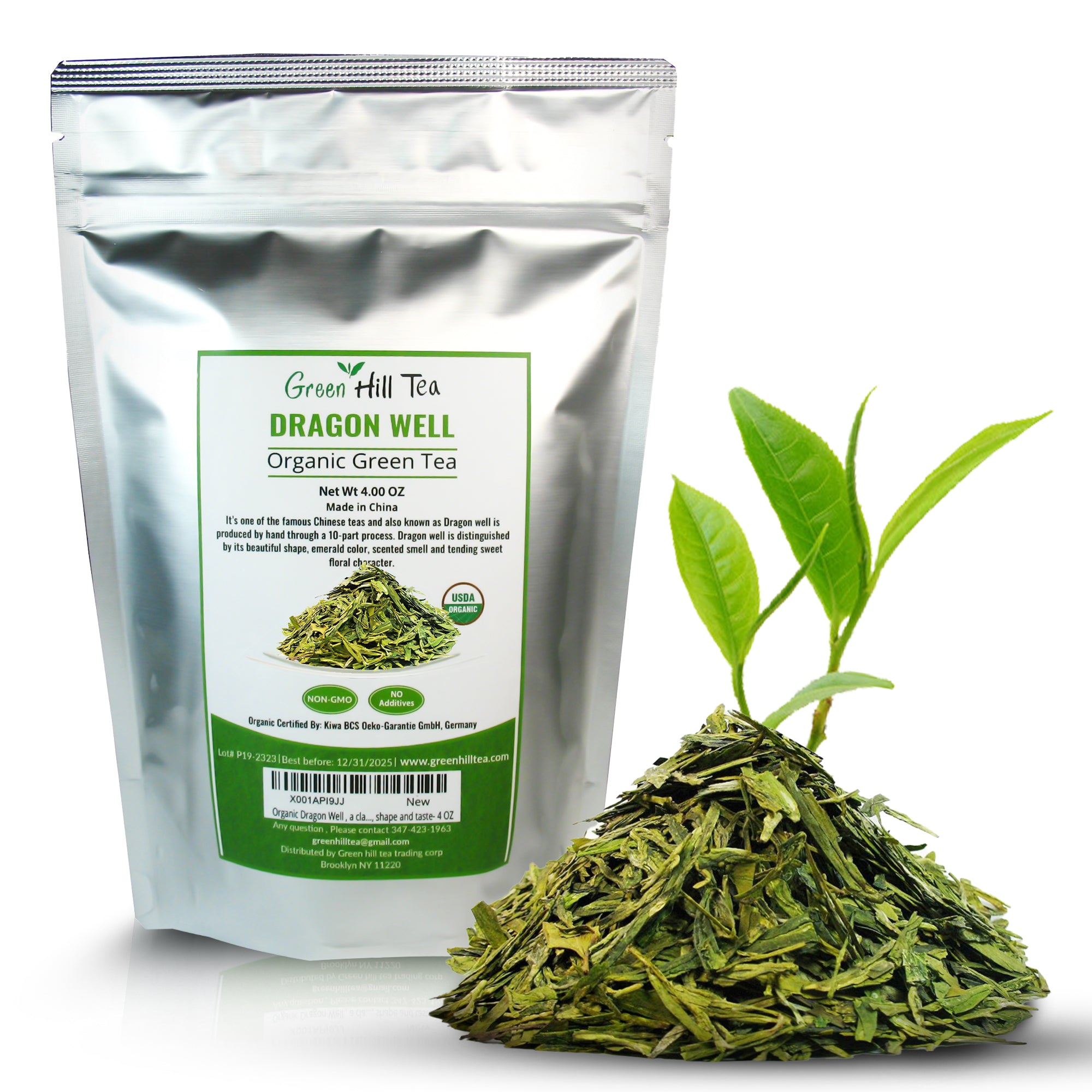
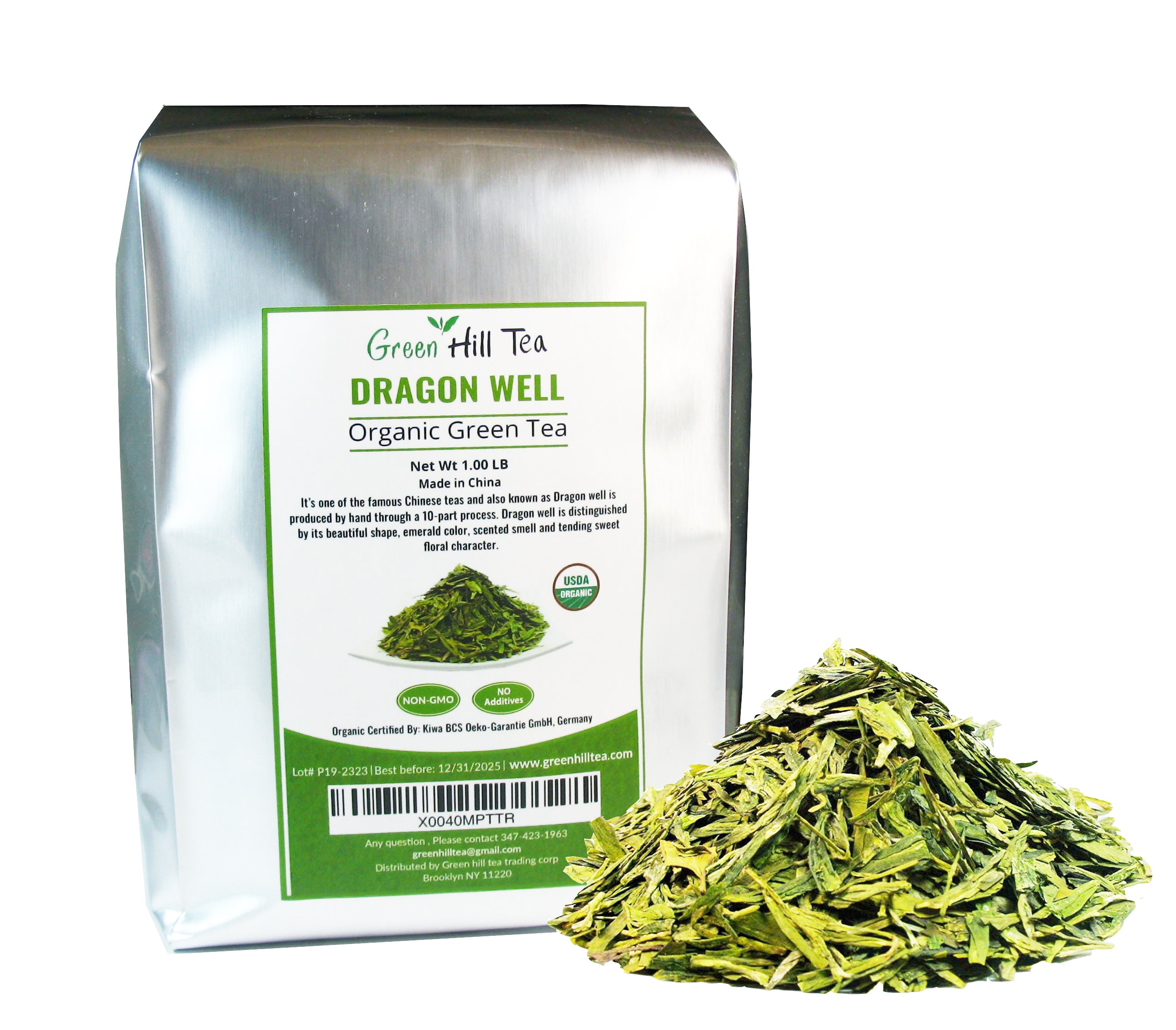
Green Hill Tea options such as Organic Jasmine Green Tea and Organic Dragon Well Tea are naturally suited for daily antioxidant support due to their clean, low-bitterness profile.
2. Helps Maintain Heart Health
Cardiovascular health is influenced by long-term habits. Several large-scale studies, including findings published in The American Journal of Clinical Nutrition, link green tea consumption with healthier cholesterol levels and improved circulation.
Drinking green tea regularly may help:
-
Support healthy LDL cholesterol levels
-
Encourage better blood vessel function
-
Replace high-sugar beverages in your routine
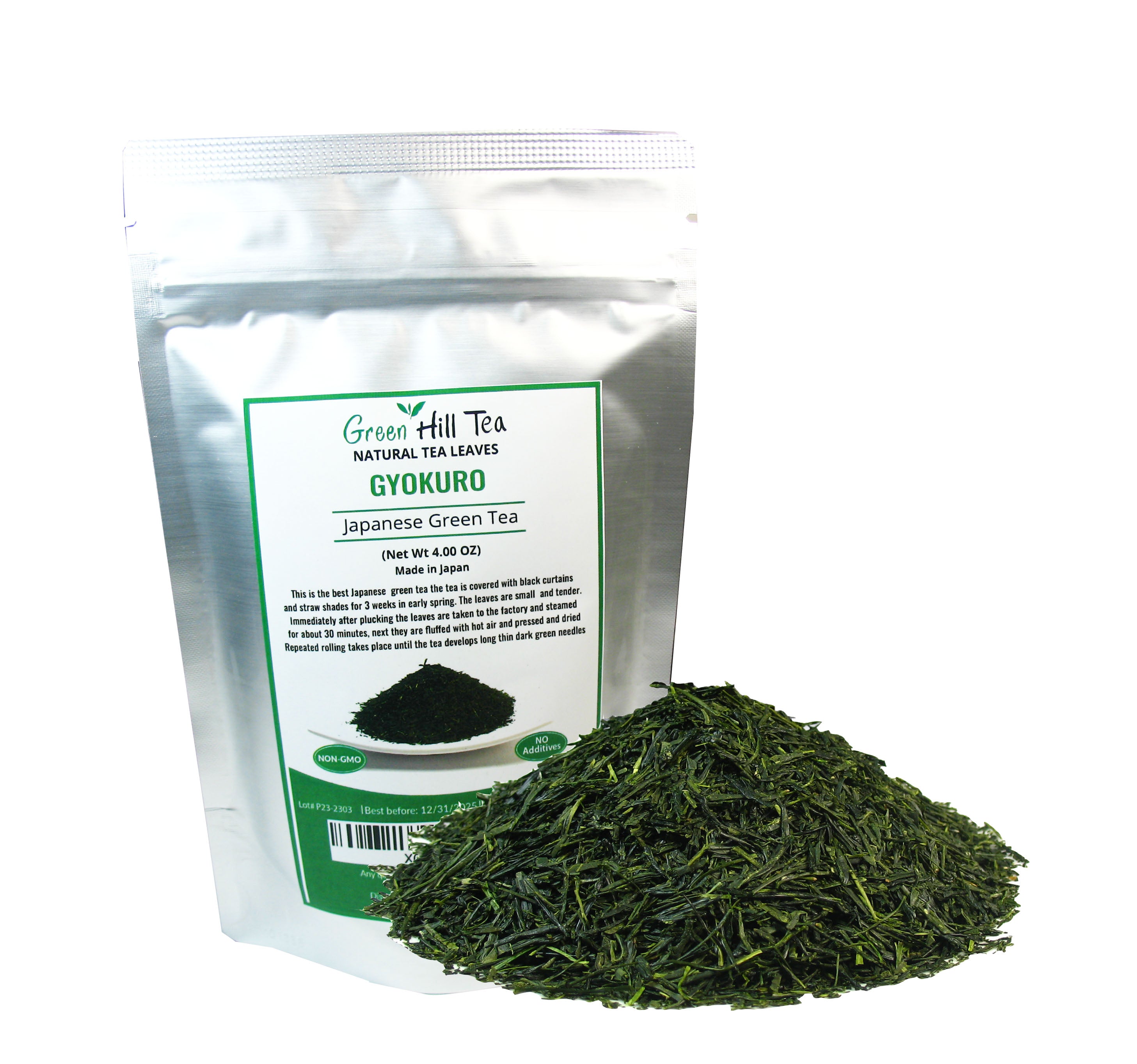
For those who prefer a smoother cup, Gyokuro Tea offers a rich yet balanced profile that fits well into heart-conscious habits.
3. Encourages Focus Without Overstimulation
Green tea contains caffeine, but in moderate amounts. More importantly, it also contains L-theanine, an amino acid that supports calm alertness.
Research in Nutritional Neuroscience shows that the combination of caffeine and L-theanine improves attention and mental clarity without causing restlessness.
What you may notice
-
Steady focus rather than sudden energy spikes
-
Improved concentration during work or study
Organic Matcha Tea from Green Hill Tea is especially known for this balance, as it uses the whole tea leaf, offering sustained mental clarity when prepared mindfully.
4. Supports Digestive Comfort
Many people choose green tea after meals because it feels lighter than coffee or sugary drinks. Green tea helps stimulate digestive enzymes and may reduce feelings of heaviness.
Those with sensitive digestion often find lighter green teas easier to tolerate.
Helpful habit
-
Drink green tea 20–30 minutes after meals
-
Choose smoother varieties with low bitterness
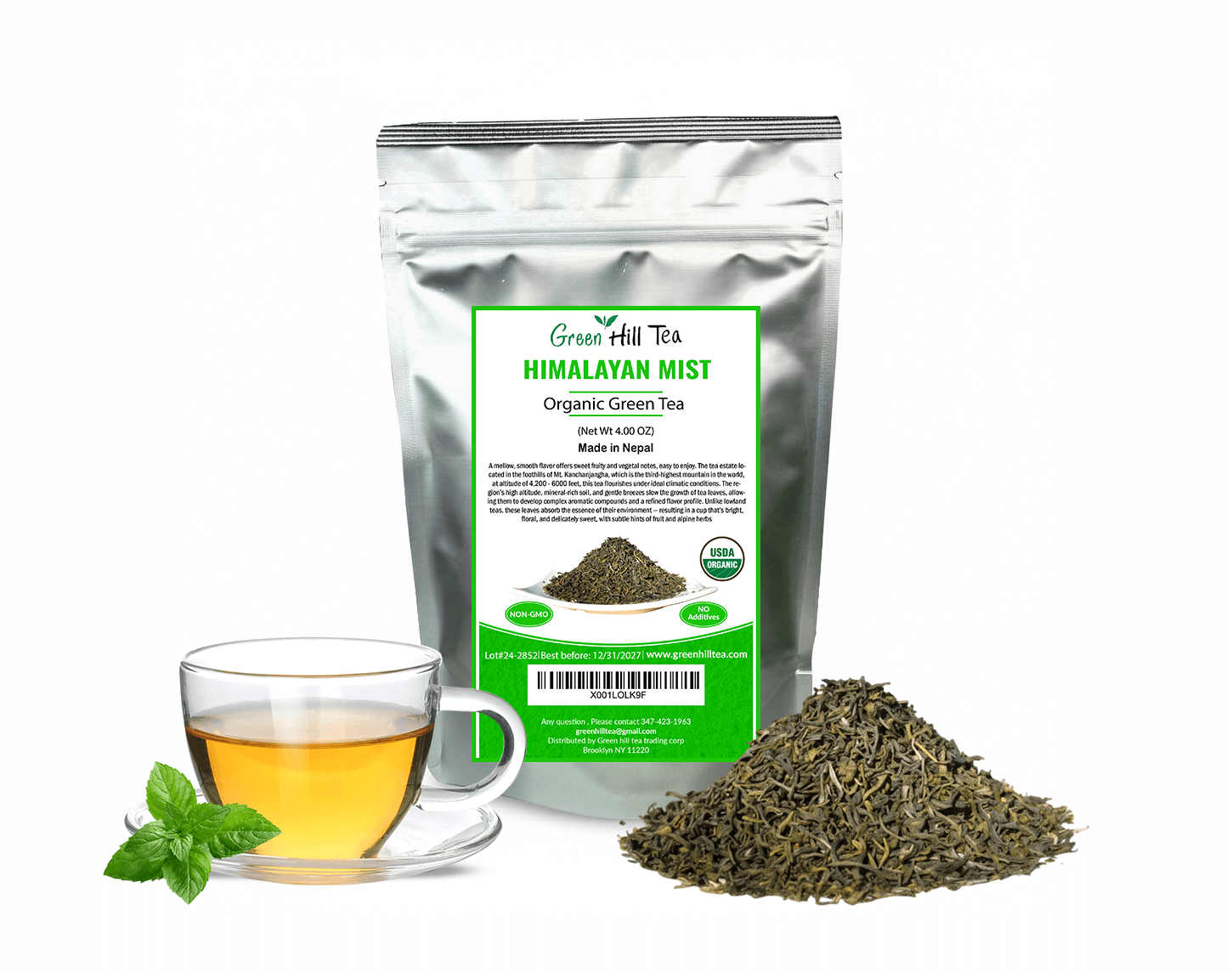
Teas such as Organic Himalayan Mist Green Tea are well suited for this purpose due to their clean, gentle taste.
5. Contributes to Skin Health Over Time
Skin health reflects internal balance. Antioxidants in green tea help protect skin cells from environmental stressors such as pollution and UV exposure.
According to research published in the Journal of Dermatological Science, green tea polyphenols support skin elasticity and hydration when consumed consistently.
Skin-related support
-
Helps reduce oxidative stress
-
Supports skin resilience with regular use
Consistency matters more than quantity when it comes to visible results.
6. Supports Weight Management Alongside Balanced Habits
Green tea is often discussed in the context of metabolism. A review in Obesity Reviews indicates that catechins may support fat oxidation when combined with physical activity and balanced nutrition.
It is important to approach this benefit realistically. Green tea complements healthy habits rather than replacing them.
Best approach
-
Pair green tea with regular movement
-
Focus on overall dietary balance
Matcha and lighter green teas both work well in this context, depending on caffeine tolerance.
7. Encourages Better Hydration Habits
Many people struggle to drink enough fluids during the day. Green tea adds variety without added sugars or artificial ingredients.
Hydration supports:
-
Energy levels
-
Temperature regulation
-
Overall organ function
Green tea makes hydration more intentional and enjoyable.
Choosing the Right Green Tea
The benefits of green tea depend heavily on quality. Whole-leaf, carefully sourced teas preserve more natural compounds than heavily processed alternatives.
When choosing green tea, look for:
-
Fresh aroma and natural colour
-
Clear sourcing information
-
Minimal processing
Green Hill Tea focuses on offering green teas that remain true to their original character, making them suitable for everyday use.
The Final Note
The benefits of green tea are not dramatic or immediate. They are steady, reliable, and built through consistency. When you drink green tea regularly, you support your body in ways that align with modern life, balanced, thoughtful, and sustainable.
Frequently Asked Questions
Q1: How many cups of green tea should you drink daily?
A: Two to three cups per day is commonly recommended for most adults.
Q2: Is green tea suitable for evening use?
A: Lighter green teas with lower caffeine are better earlier in the evening.
Q3: Does green tea contain caffeine?
A: Yes, but usually less than coffee, with a gentler effect.
Q4: Can green tea be consumed daily?
A: Yes, when consumed in moderate amounts as part of a balanced diet.
Q5: Is matcha stronger than regular green tea?
A: Matcha contains more concentrated nutrients because the whole leaf is consumed.
Related post
13
Feb
RECENT POSTS